
Ancient Messene - 10:30 AM
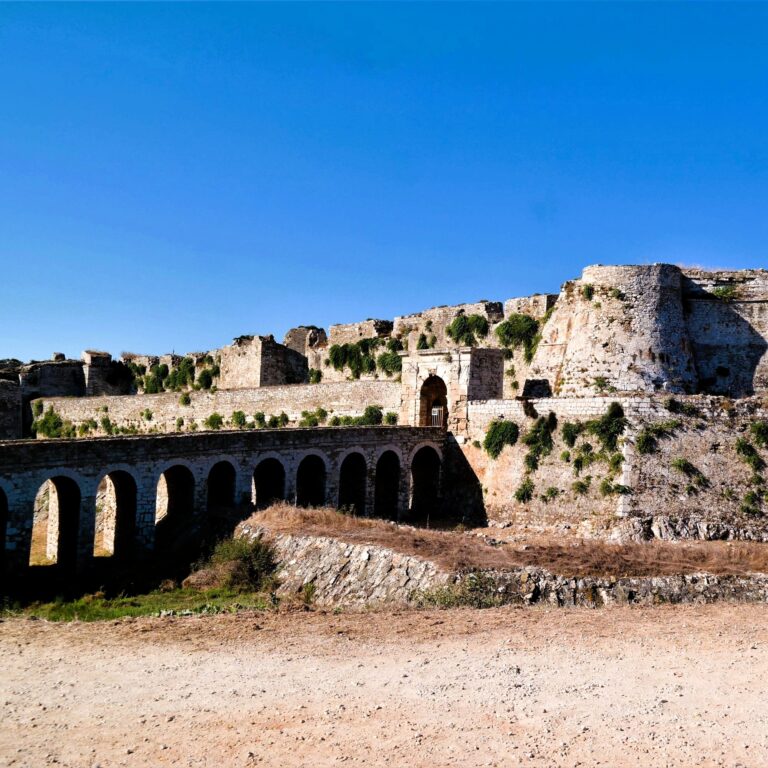
The archaeological site of ancient Messene lies in a fertile valley in the center of the Region of Messenia. It lies just south of Mt. Ithome which was the strongest natural and manmade fortress of Messenia, controlling the valleys of Stenyclaros and Makaria. The site dates back to the Late Neolithic or the Early Bronze Age. In the 9th-8th century BC, the cult of Zeus Ithomatas was established on the peak of Mt Ithome. A shrine was founded in the lower city during the Geometric period (800-700 BC), along with other sanctuaries. All the sacred buildings belonged to the town of Ithome. The area came under Spartan annexation after the First Messenian War (743-724 BC).
The city of Ancient Messene was founded in 369 BC by the Theban general Epaminondas (after the Battle of Leuctra in 371 BC, which resulted in Spartan defeat. It became the capital of the free Messenian state following four centuries of occupation by the Spartans.
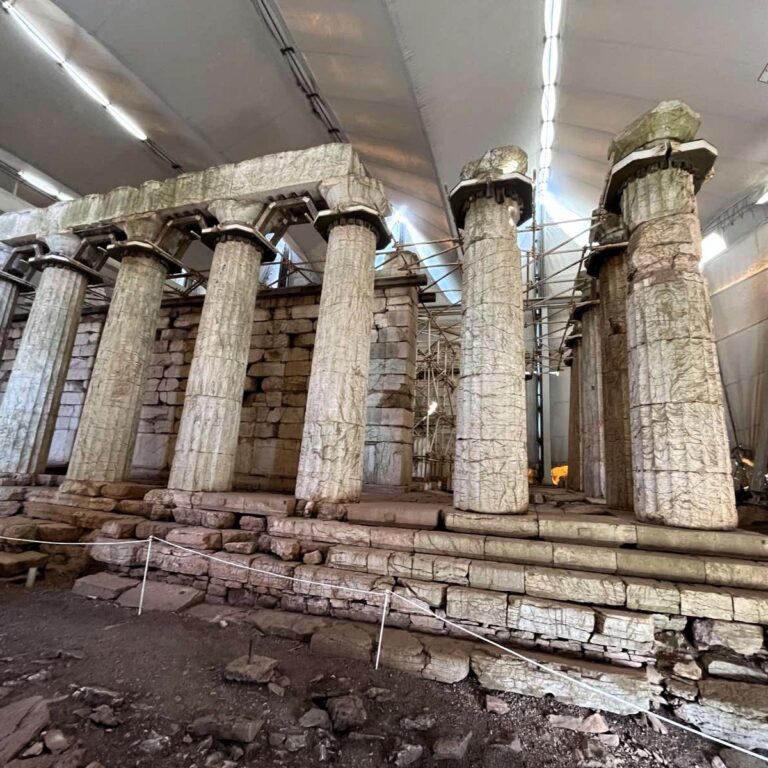
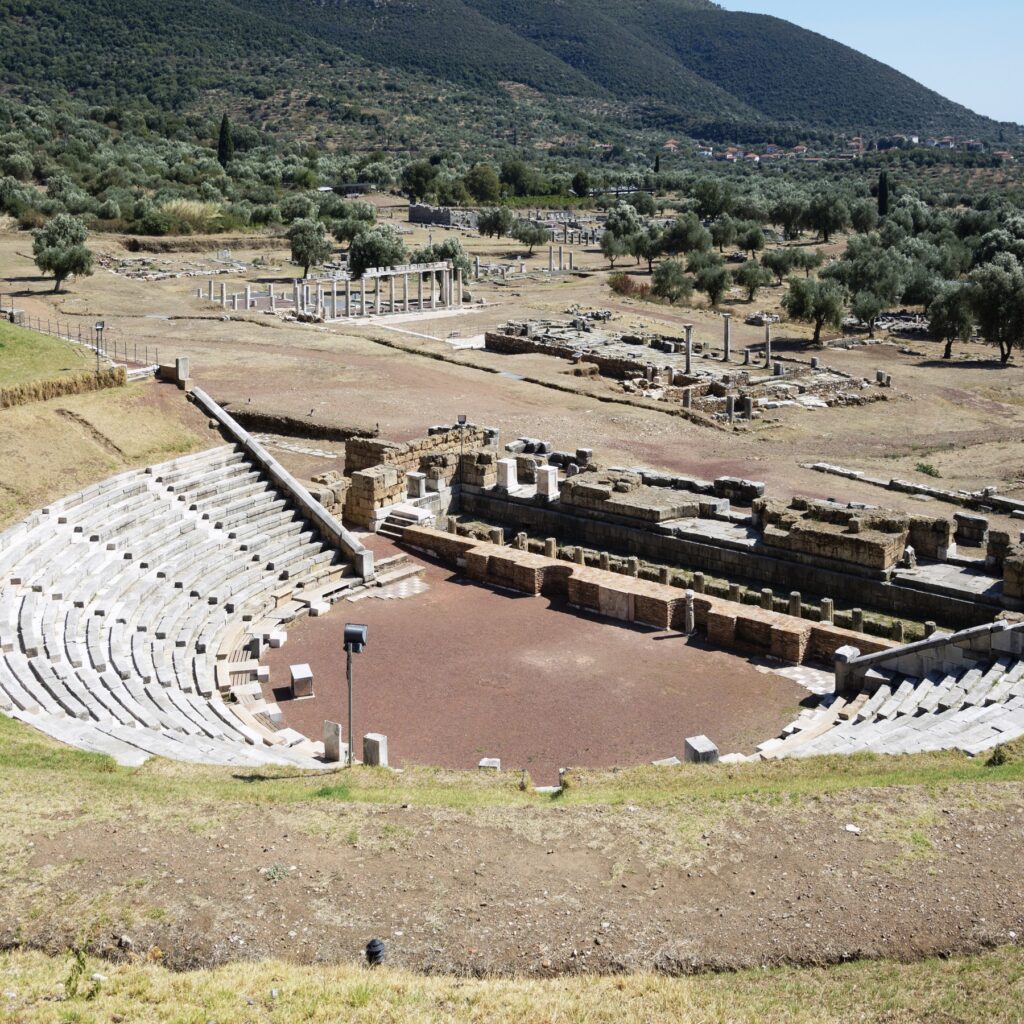
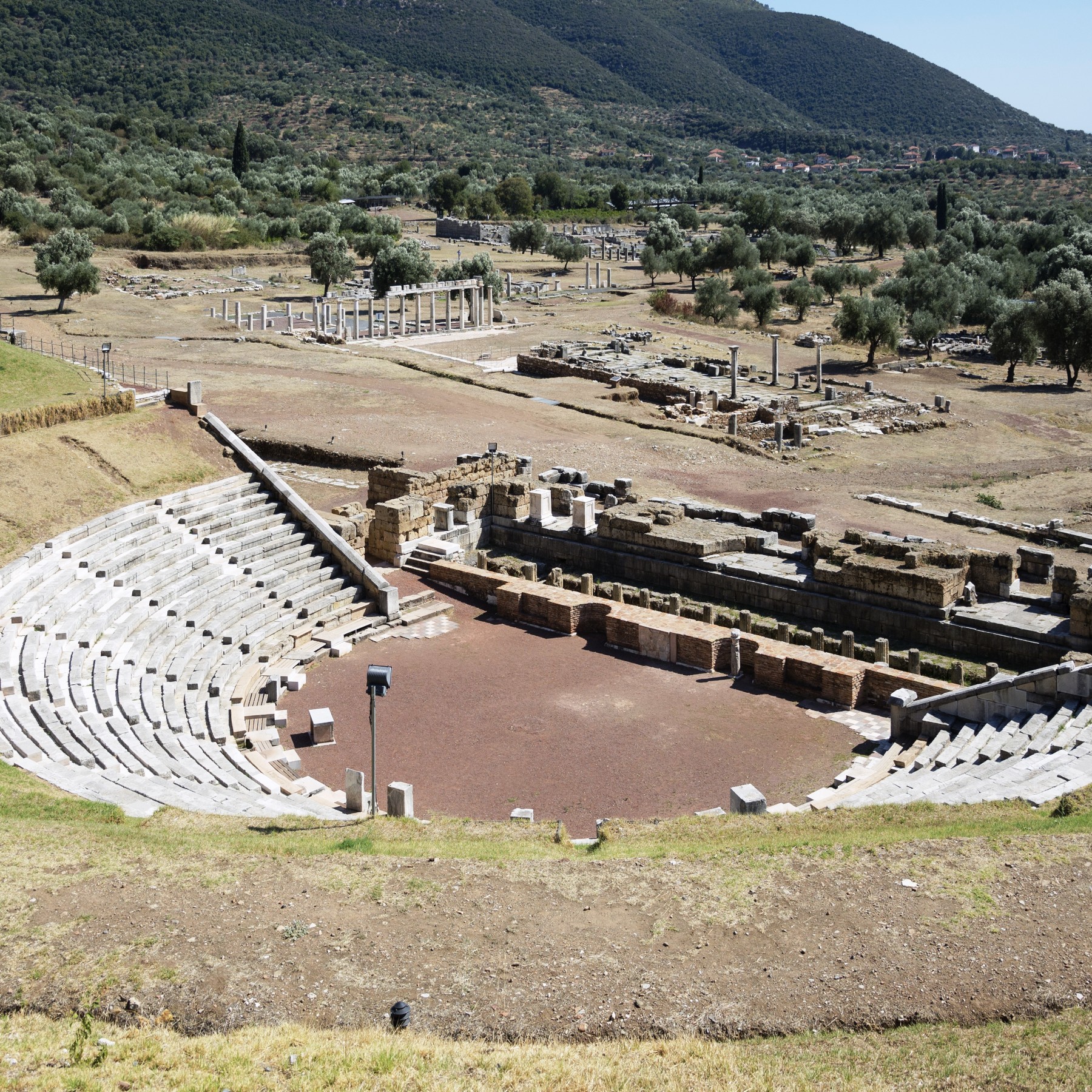
Strong fortification walls with towers and gates are preserved, surrounding the city where many sanctuaries stood. On the site many public and religious buildings are preserved. The Asklepieion, with the Doric sanctuary of Asklepios, which is surrounded by religious and funerary buildings, the exceptional Theatre complex, the Ecclesiasterion-Odeion, and the Bouleuterion, are to name a few. The Fountain of Arsinoe, the Agora and the Stadium, and many funerary monuments like the monumental Saithid Mausoleum, bear witness to the size of the city and its political, religious, economic and social importance. Later day Roman villas with mosaic floors complete the urban plan.
A plethora of statues and exhibits are on display at the nearby Archaeological Museum, testifying to the thriving society of Messene.
Messene is one of the most important cities of antiquity and has the rare advantage of not having been destroyed or covered by later settlements. It also lies in an untouched Mediterranean natural environment. The monuments of Ancient Messene preserve all of the elements that make up the ancient Greek way of life in an ancient Greek city which are secular, religious, political, administrative, residential and funerary.
Free day in Kalamata - 13:00 PM
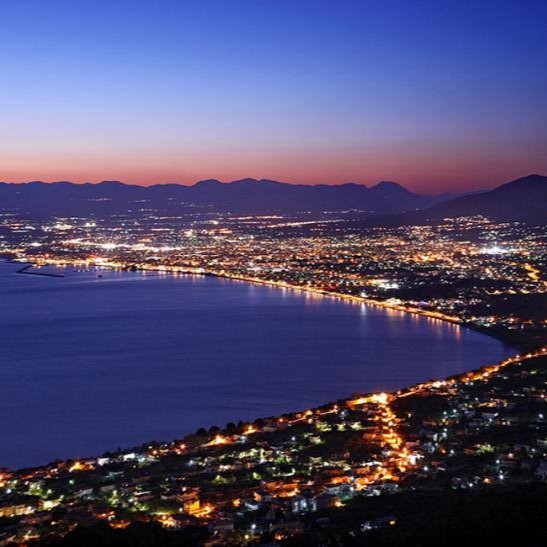
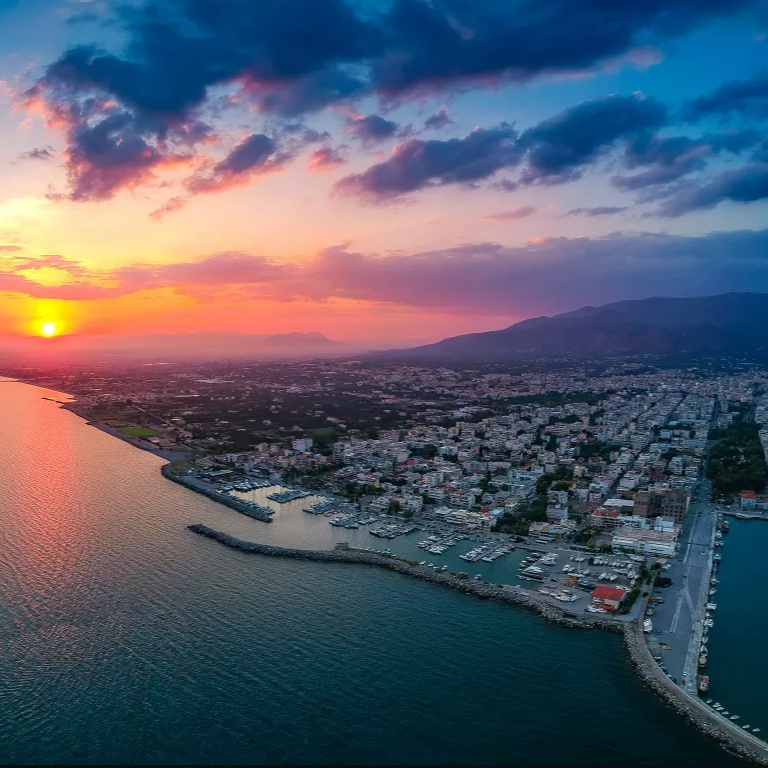
Kalamata is the second largest city of the Peloponnese and the capital and main port of Messinia. Located on the ancient site of Farai, it is a rich area which is well known for the Kalamata Olive and the production of Kalamata olive oil, raisins, figs and other fruits and vegetables in the fertile Messinian area. Over time it developed into a wealthy urban center and a significant port city.
You can visit the legendary “castle of Isabeau” that lies on the site of the Farai acropolis which offers an amazing view of the city. It was constructed in the 13th century by William Villehardouin who was of Frankish origin. It has gone through various changes and additions over time by the Venetians and the Turks that ruled the area. Nowadays, it is an ideal open air venue for theatre, music and dance shows.
The Old city or Palia Poli lies at the foot of the Castle. In the area is the Metropolitan Panagia Ipapanti church (1873), the patron saint of Kalamata. It is a very lively place with many churches like the the 13th century Byzantine church of Agioi Apostoloi and the 12th century Kalograion Monastery. Many cafes, bars and restaurants fill the area and it is the hotspot for the city’s youth and nightlife.
Visit also the Grand Strand of Beaches in the south of the city which is full of cafes, bars, restaurants and other entertainment that cover every need for a relaxing day at the beach.
Olive oil Tasting – 4:00 PM

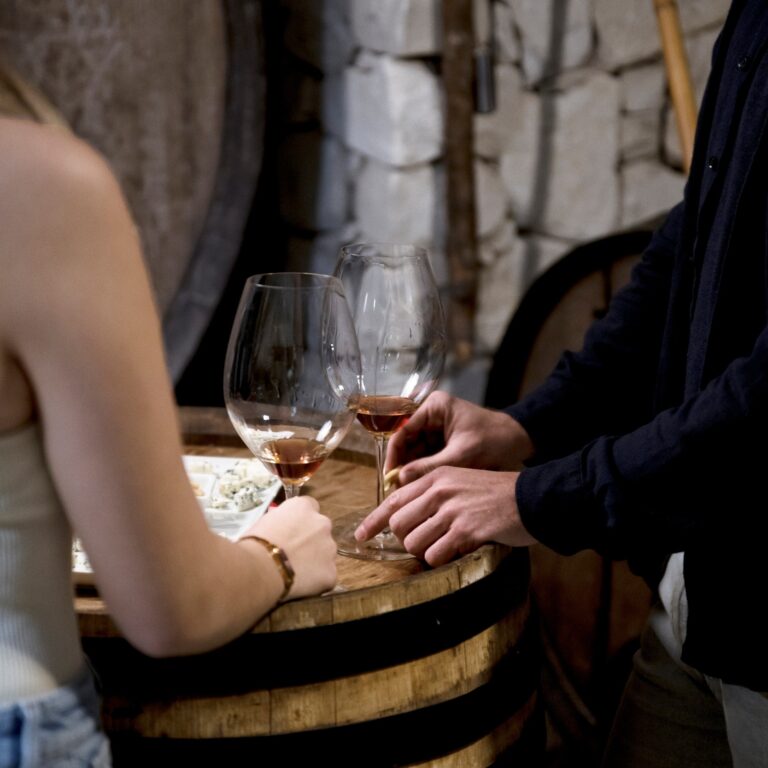
Dive into the world of olive oil with a hands-on tasting experience that highlights the essence of Mediterranean cuisine.
Guided by a certified olive oil sommelier, participants will explore the characteristics of high-quality extra virgin olive oil, focusing on its fruitiness, bitterness, and pungency. You’ll learn how to evaluate and identify premium olive oils, uncover key varieties, and detect common defects.
As part of the session, you’ll also savor the famous Kalamata olives and sample olive paste, gaining a deeper appreciation for their flavors and culinary uses. Discover the vital role of extra virgin olive oil in cooking and receive tips on recognizing its authenticity and quality. This is a unique opportunity to enrich your palate and embrace the traditions of Kalamata’s renowned olive culture.