Mycenae – 9:30 AM
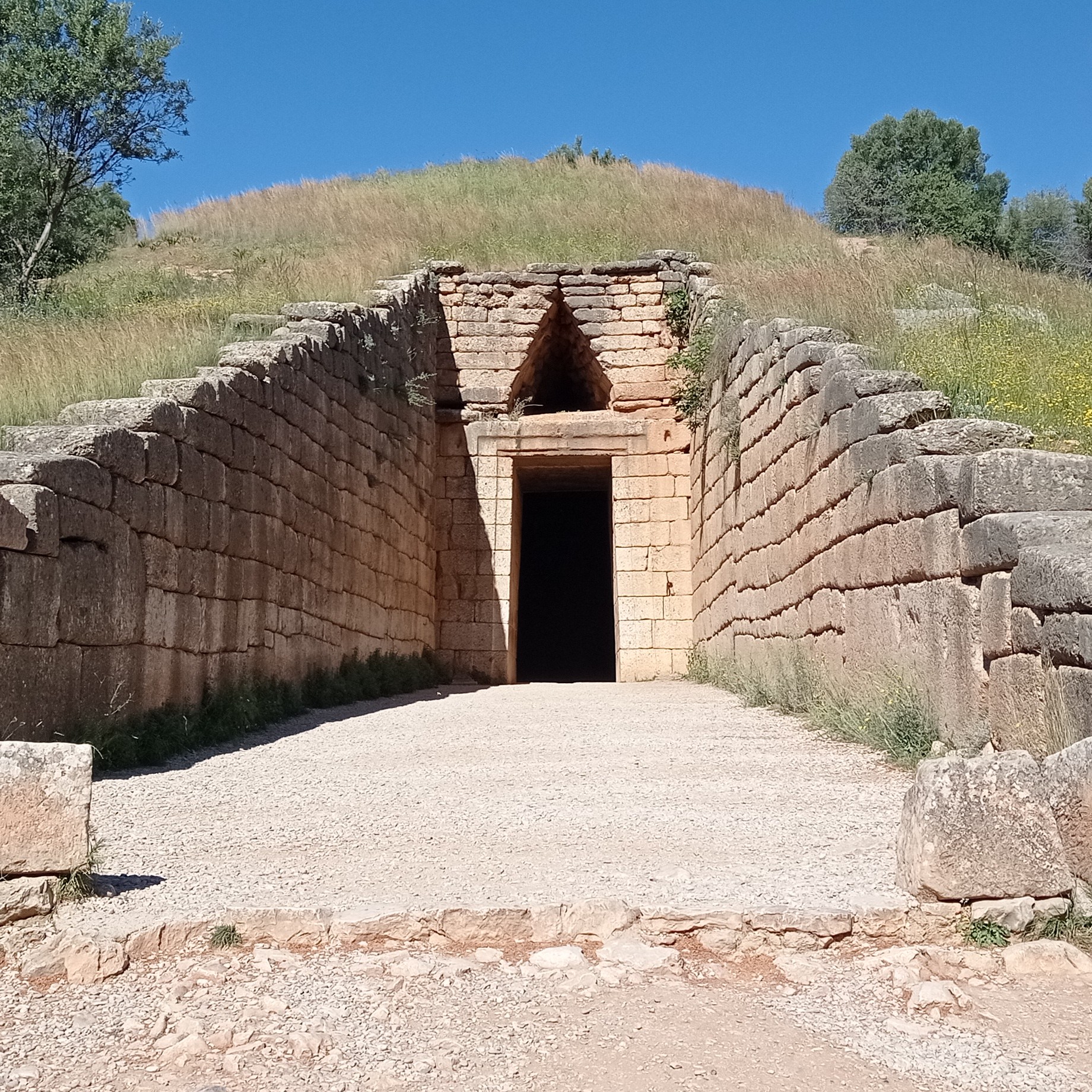
We will visit the legendary Late Bronze Age civilization of Mycenae – the city of Agamemnon.
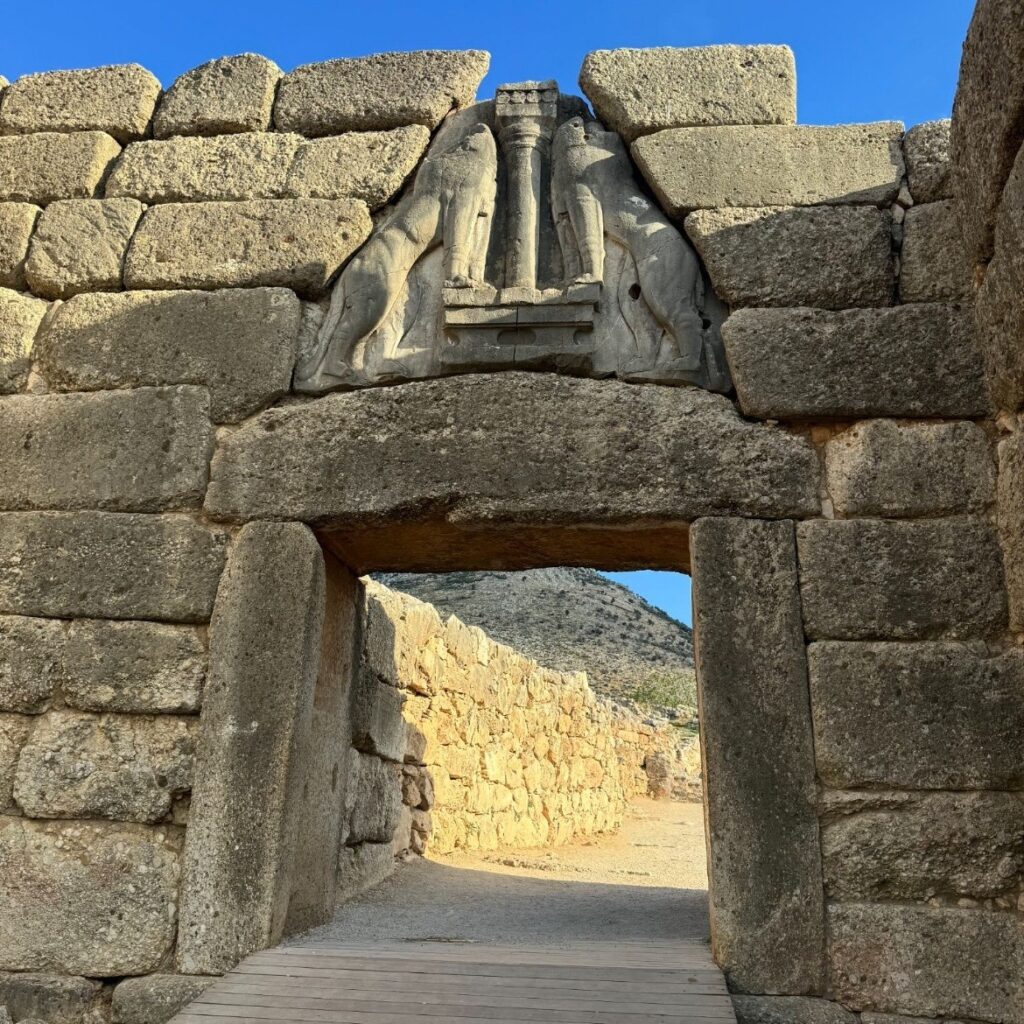
Mycenae is considered the birthplace of western civilization. The site of Mycenae was inhabited since the 7th millennium BC, from prehistoric times. The ancient city was built in a naturally fortified position between two hills, with a plentiful water supply and rich fertile valley which made it an ideal place for man to settle and live a protected life.
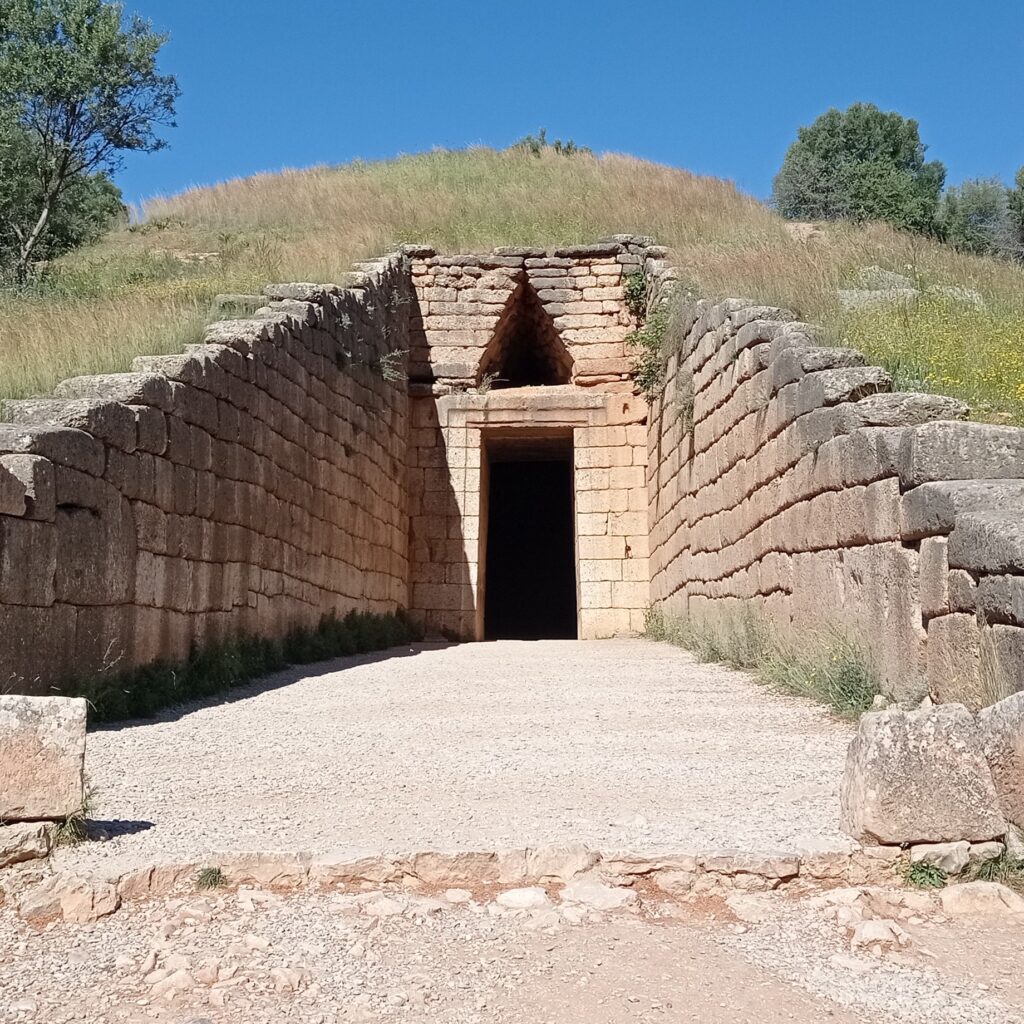
The Mycenaeans are famous for their majestic architecture, inscribed monuments and sophisticated civilization, which was in the Late Bronze Age, between 1350 and 1200 BC. The first hegemonic factions appeared as early as 1700 BC, that is, in an historical period for which is difficult to determine exact details. But around this same period construction began on the first monumental tombs. After this, expansion developed quickly with Palatial complexes, Cyclopean masonry which is awe-inspiring even today, many tombs like the famous “Tomb of Agamemnon” (also known as the “Treasury of Atreus”), huge arches and ramparts comprise one of the greatest architectural complexes known to the ancient world.
The decline of Mycenae occurred around 1100 BC, possibly due to repeated damage from earthquakes and fires. They had managed, however, to have once been a truly great empire, which has stamped its reputation on the history not only of Greece, but the entire world.
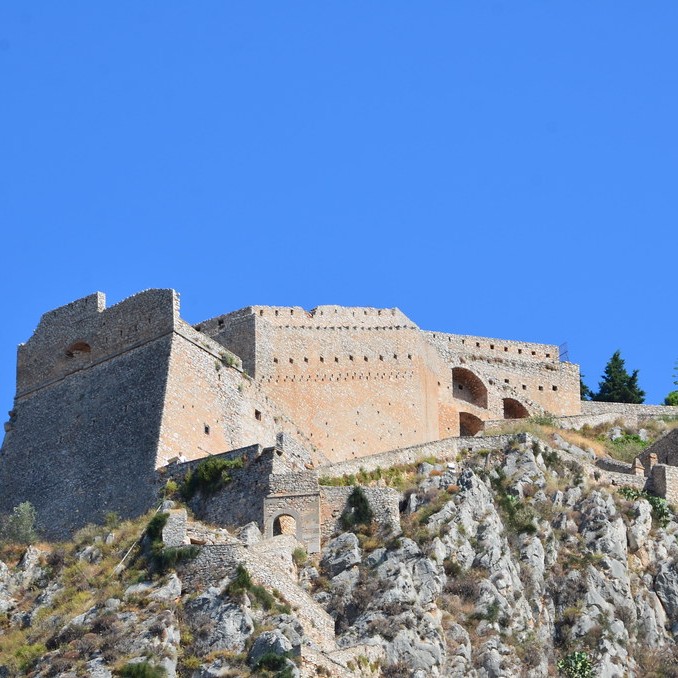
Palamidi Fortress – 12:00 AM
Step into history with our exclusive tour of Palamidi Fortress, the crown jewel of Nafplio! Perched atop a hill, this majestic 18th-century Venetian fortress offers breathtaking views and fascinating stories of Greece’s past.
Wander through its well-preserved walls, climb the famous 999 steps (or let us take you to the top!), and immerse yourself in a unique cultural experience
Free Day in Nafplio – 1:30 PM
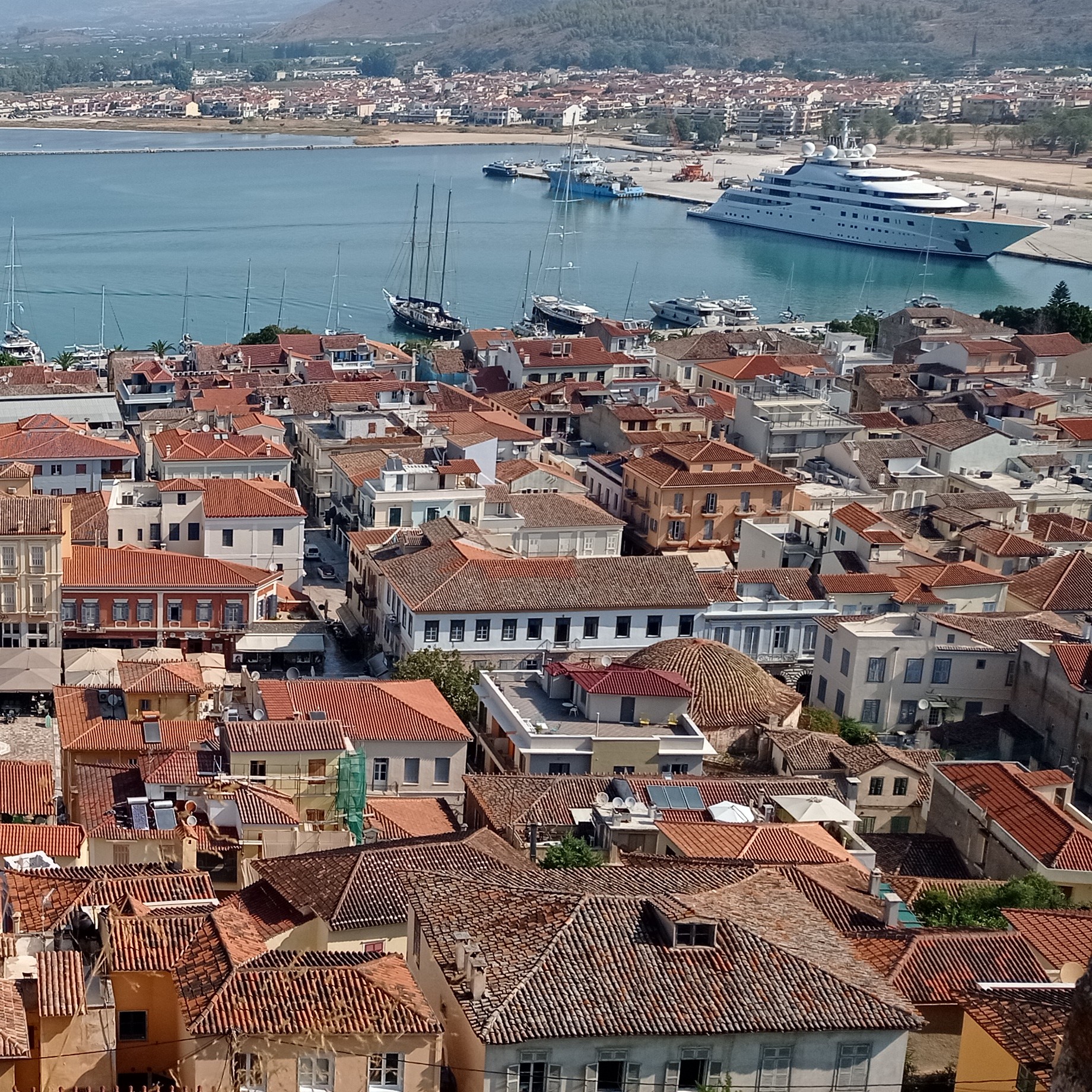
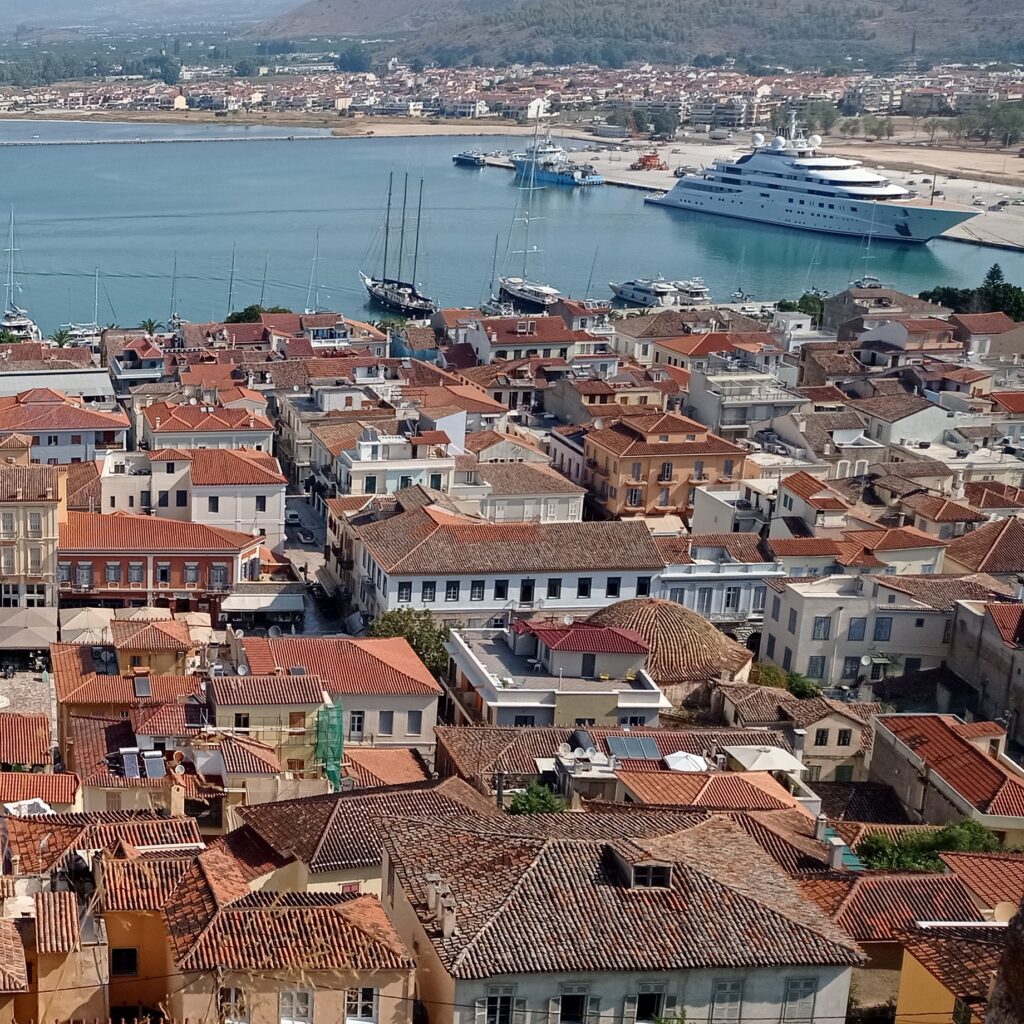
Nafplio is considered one of the most beautiful towns in Greece, located in the area of Argolis, in the eastern Peloponnese. It is a historic town and served as the first capital of the newly born Greek state between 1823 and 1834.
According to mythology, the town was founded by Nafplios, the son of the god Poseidon and the daughter of Danaus Anymone. The town’s history traces back to the prehistoric era of the Argonautic expedition and the Trojan War. The town declined during the Roman times and flourished again during the Byzantine times. Frankish, Venetian and Turkish conquerors left their mark in the town after 2 long Venetian and Ottoman periods which strongly influenced the culture, architecture and traditions throughout the centuries. The Ancient walls and medieval castles, various monuments and statues, the old Ottoman fountains and Venetian neoclassical buildings mesmerize the visitor with their unique architecture and beauty.
You can wander in the many pedestrian roads of the city, do some shopping and enjoy the many cafes and great restaurants and local cuisine of the area.
Sanctuary of Asclepius in Epidaurus & Ancient Theater – 3:30 PM
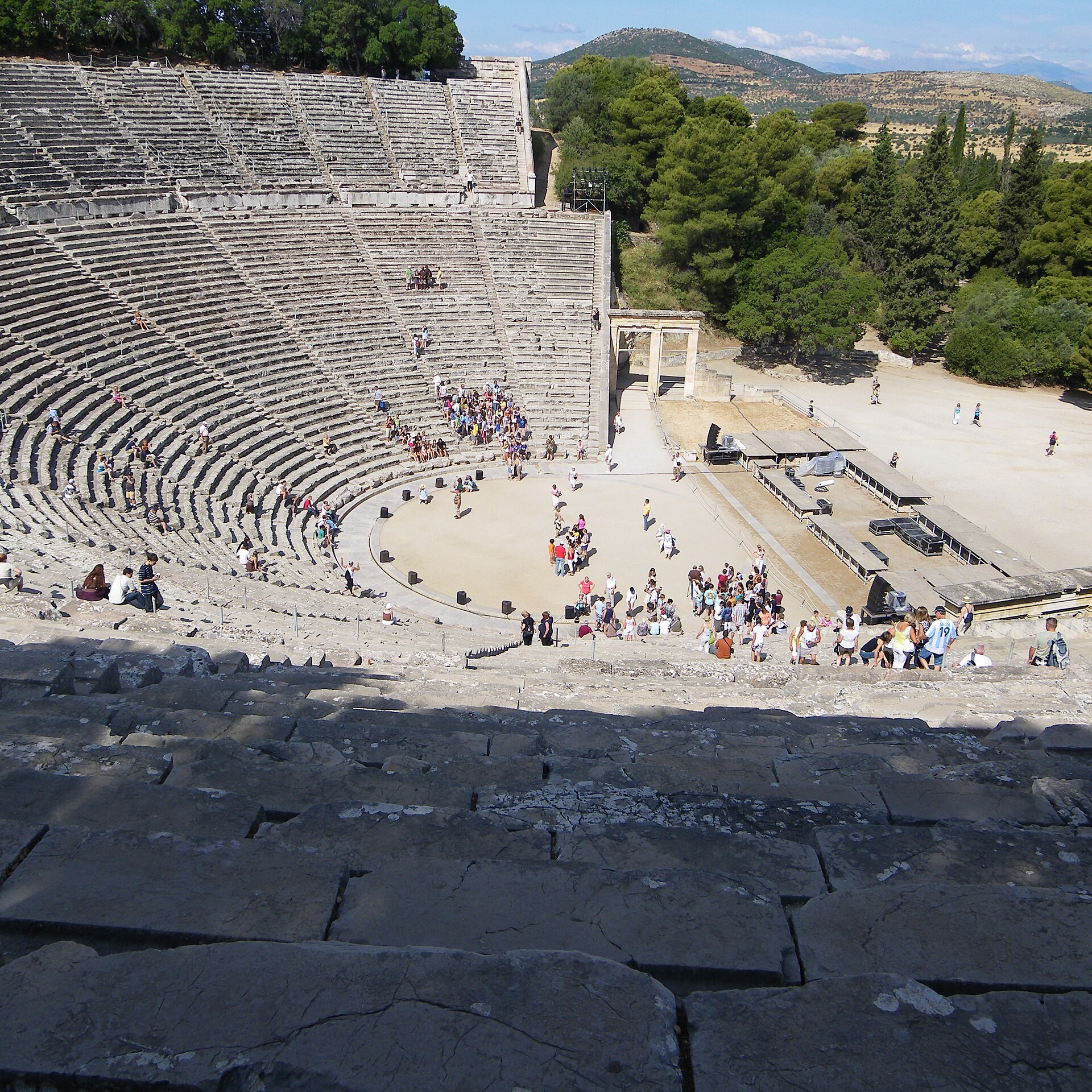
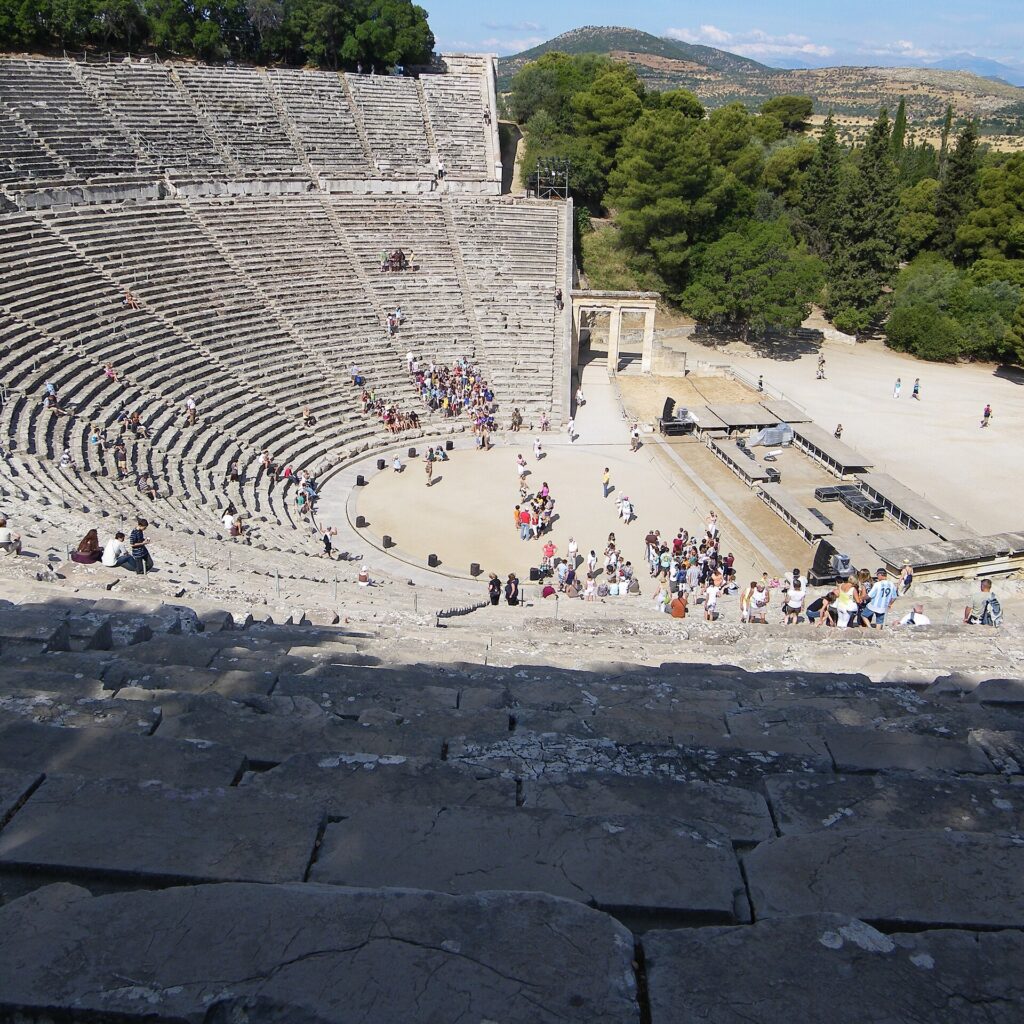
Epidaurus with the famous Ancient Theatre (c. 340-330 B.C.), is a renowned monument included in UNESCO’s World Heritage Site list. It is part of the Sanctuary of Asclepius, a healing center in honor of the god of medicine for the ancient Greeks. The dramatic performances staged in this theatre were watched by the god’s patients, during their stay.
Since the 1950s, the ancient Greek Comedies and Tragedies are performed at the ancient theatre every summer, during the Athens & Epidaurus Festival program.
Ancient Epidaurus & Sunken City – 6:00 PM
Close to the Sanctuary of Asclepius is the picturesque seaside village of Palaia Epidaurus, a lovely tourist destination offering beautiful swimming areas and pine forests for hiking. In antiquity it was one of the main cities of Argolida and the most important port of the Peloponnesian Gulf. There you will visit the small theatre of the ancient city which provides an exceptional view of the sea.
In the summer months, the theatre is used for concerts and performances during the Athens and Epidaurus Festival, offering you a unique and authentic experience. A Mycenaean Necropolis is located west of the town on the steep slope of Katarachi Hill. Next you will visit the Sunken City of Ancient Epidaurus.
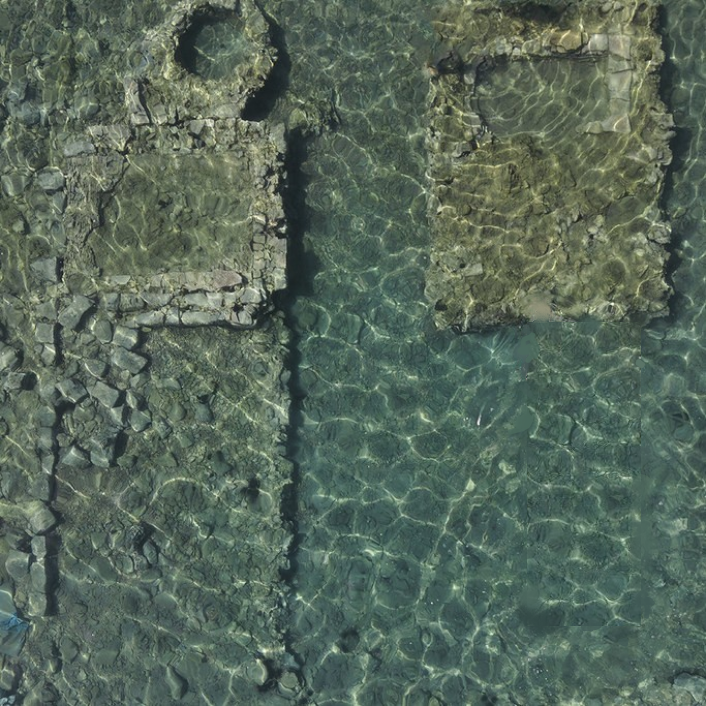
The Sunken City is a small settlement which might have been a trading post in ancient times. It was accidentally discovered in the 1970s from an aerial photo that was taken from a hot air balloon. The architectural remains include traces of an ancient port, various walls and a cluster of three buildings, the closest of which is located only 45 meters from the shore. Archeologists believe these are the remains of a rural Roman villa from the 2nd century, which was inhabited by a wealthy Roman family and their staff.